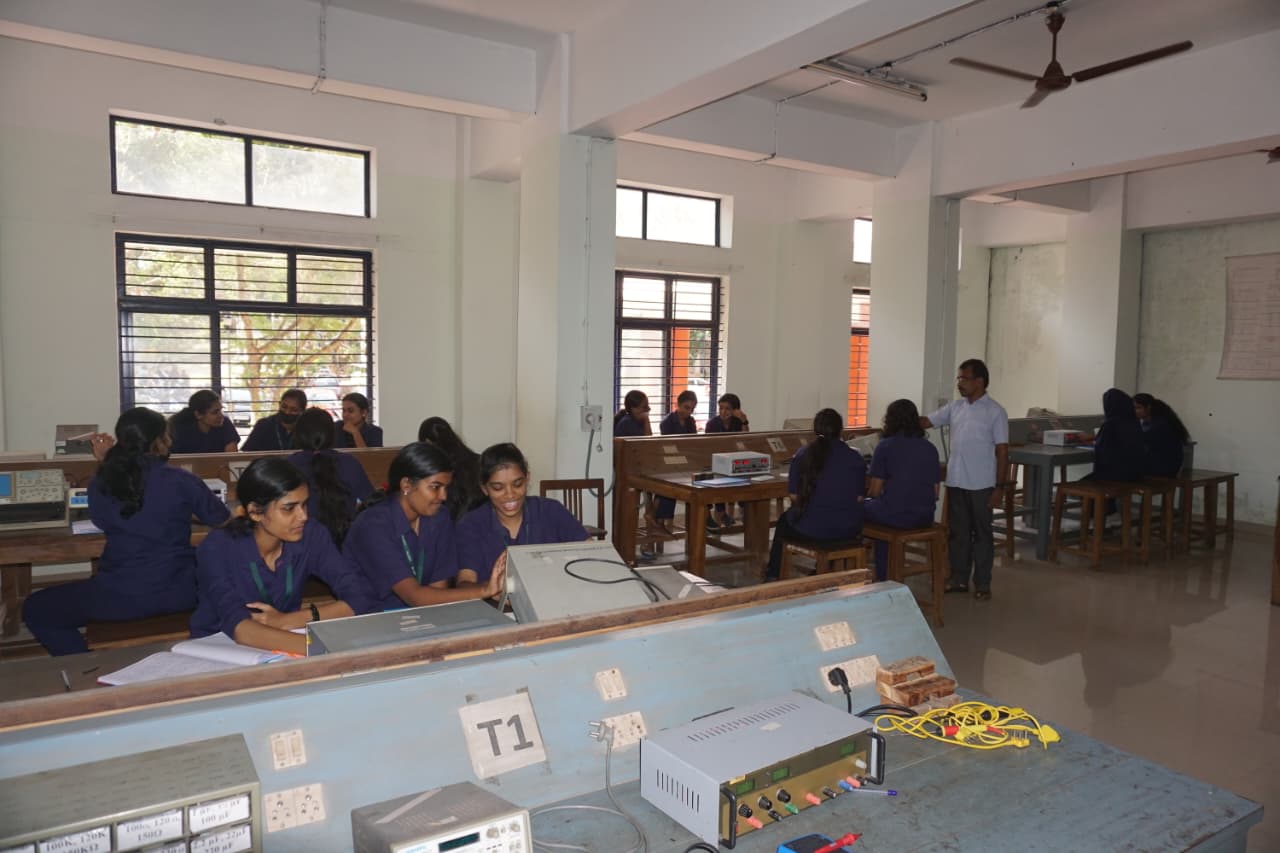
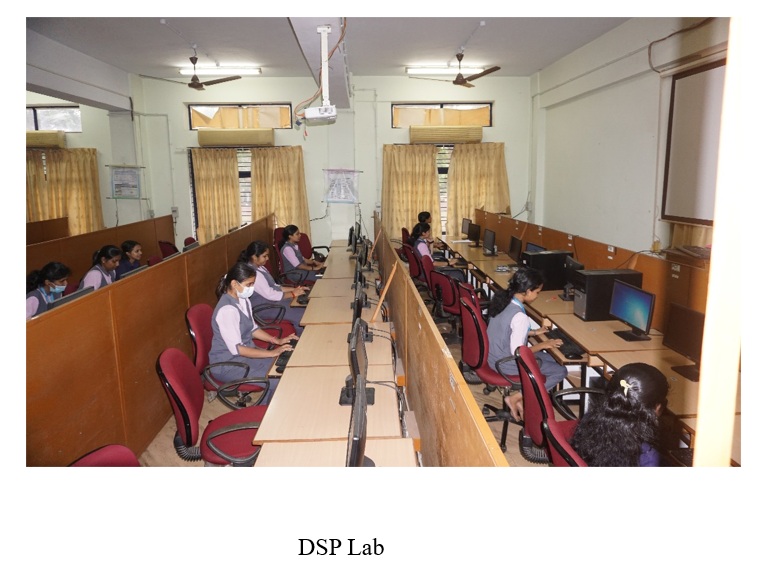


Major Equipments
POWER SUPPLIES
FUNCTION GENERATOR
DSO
CRO
MULTIMETERS
DESKTOP COMPUTERS
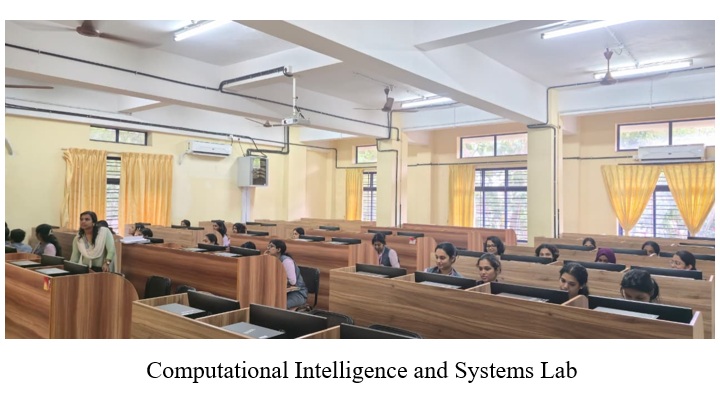
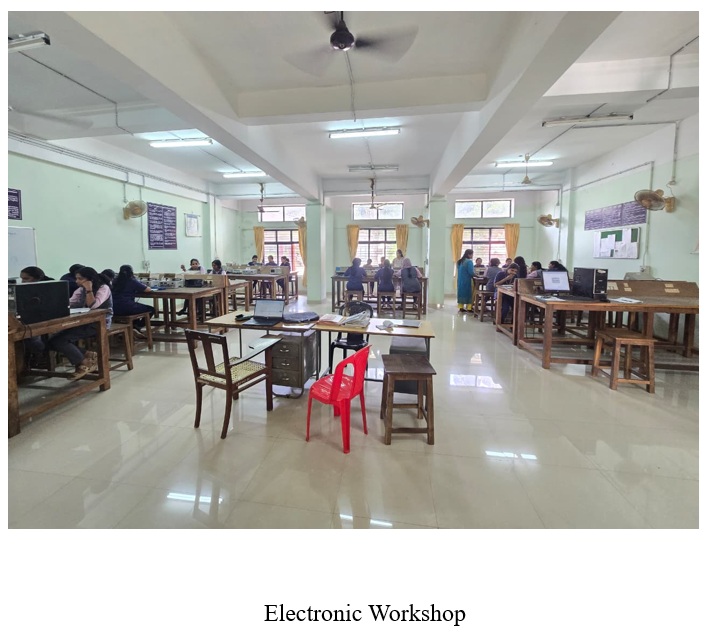
Major Equipments
Desktop Computer
Network Switch
LCD Projector
IoT Trainer Kit with Sensors
Air Conditioner
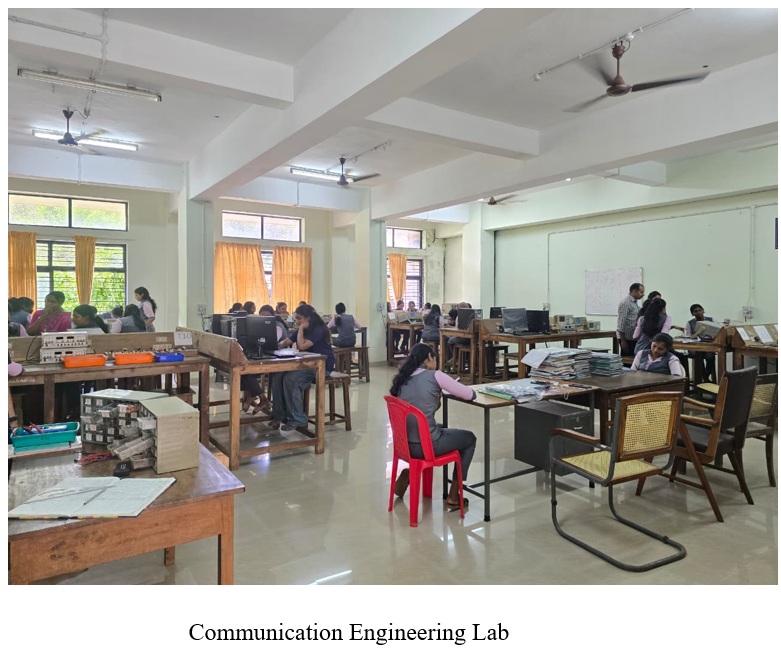
Major Equipments
POWER SUPPLIES
FUNCTION GENERATOR
DSO
CRO
MULTIMETERS
DESKTOP COMPUTERS
SOFTWARE DEFINED RADIO
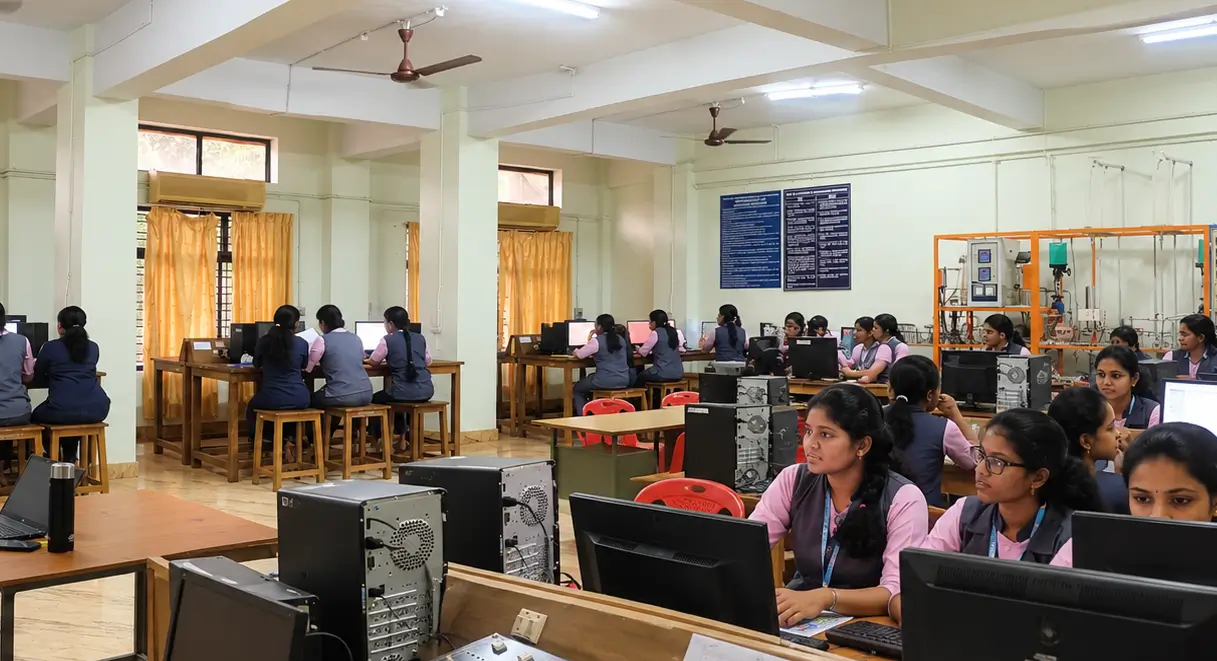
Major Equipments
POWER SUPPLIES
FUNCTION GENERATOR
DSO
CRO
MULTIMETERS
DESKTOP COMPUTERS
SOFTWARE DEFINED RADIO
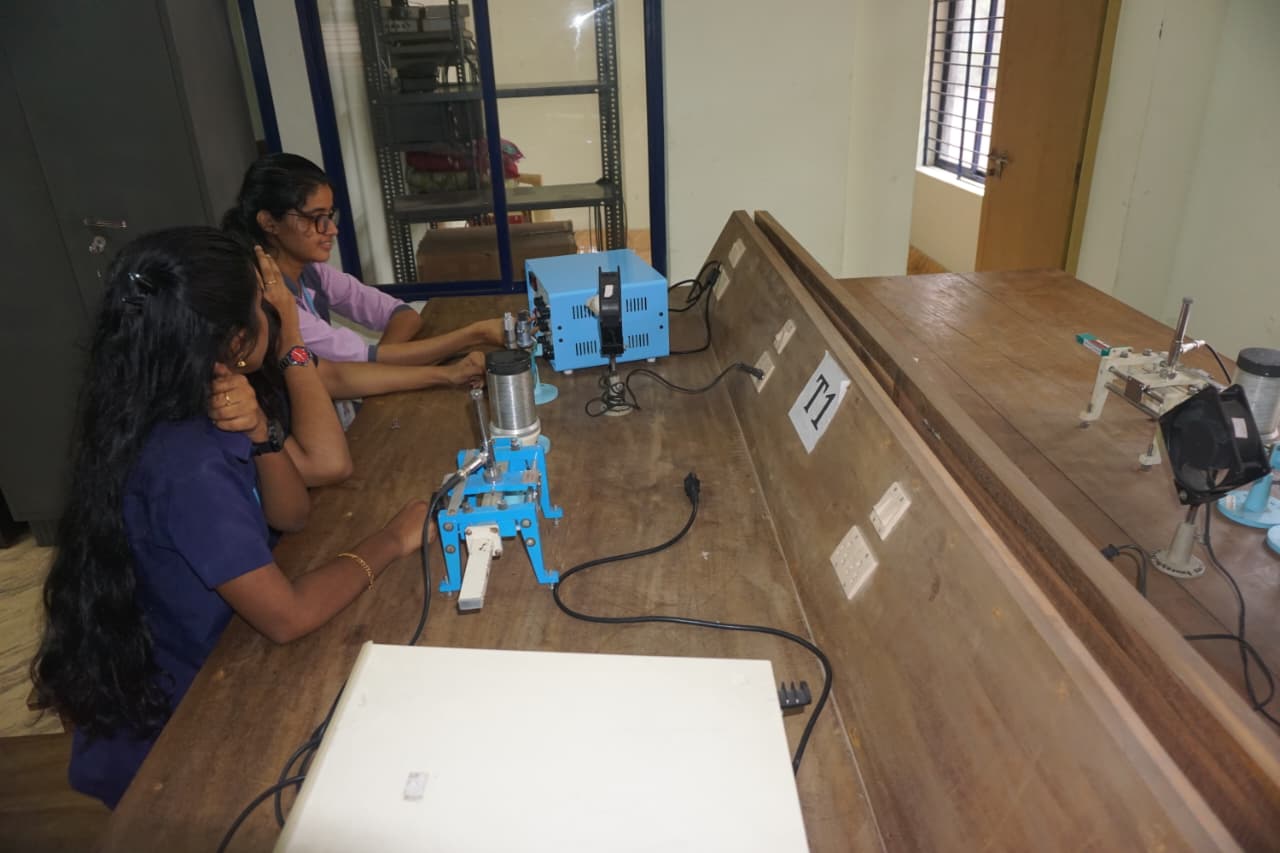 This lab is offered to B.Tech, ECE students and concentrates on introducing the advances in communications. This lab is well equipped with all the microwave devices and optical devices. The Laboratory conducts practical sessions to enable the students to implement their theoretical knowledge and observe the practical results, following outcome based education.
Major Equipment’s
Gunn Diode Microwave bench
Reflex Klystron Microwave Bench
VSWR Meter
3-port circulator
Magic Tee
Optical Power Multi-meter
Laser diode source
List of Experiments
Reflex Klystron Characteristics.
Gunn Diode Characteristics.
Attenuation Measurements
Directional Coupler Characteristics
VSWR Measurements.
Impedance Measurements.
Characterization of LED.
Characterization of Laser Diode.
Measurement of NA.
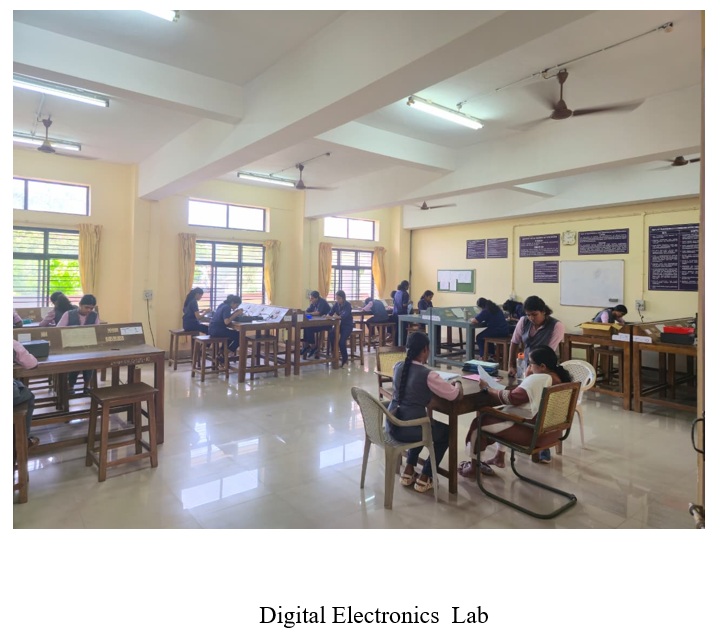
Major Equipments
POWER SUPPLIES
FUNCTION GENERATOR
DIGITAL IC TRAINER KIT
LOGIC ANALYZER
MULTIMETERS
DESKTOP COMPUTERS
Major Equipments
Desktop Computer
DSP Trainer kit
DSP starter kit
FPGA development board
Softwares (MATLAB,ORCAD)
DSO
The Project Laboratory offers the students, the opportunity to gain valuable hands-on experience with state-of-the-art environment where students become proficient in both the physical and creative skills needed in the field of Electronics and Communication Engineering. The Project Laboratory has a key role in promoting practical learning experience, a place where they develop creative proposals, and execute their final projects. The objective of this laboratory is to provide the infrastructure for conducting the regular lab for M-Tech (Image Processing Lab) and Mini & Major project works for the B-Tech and M-Tech Programs. The lab is equipped with state of the art servers, desktops and software (MATLAB, ORCAD, Xilinx etc.). Also this lab is used for conducting project presentation and project exam of final year students.
List of Experiments
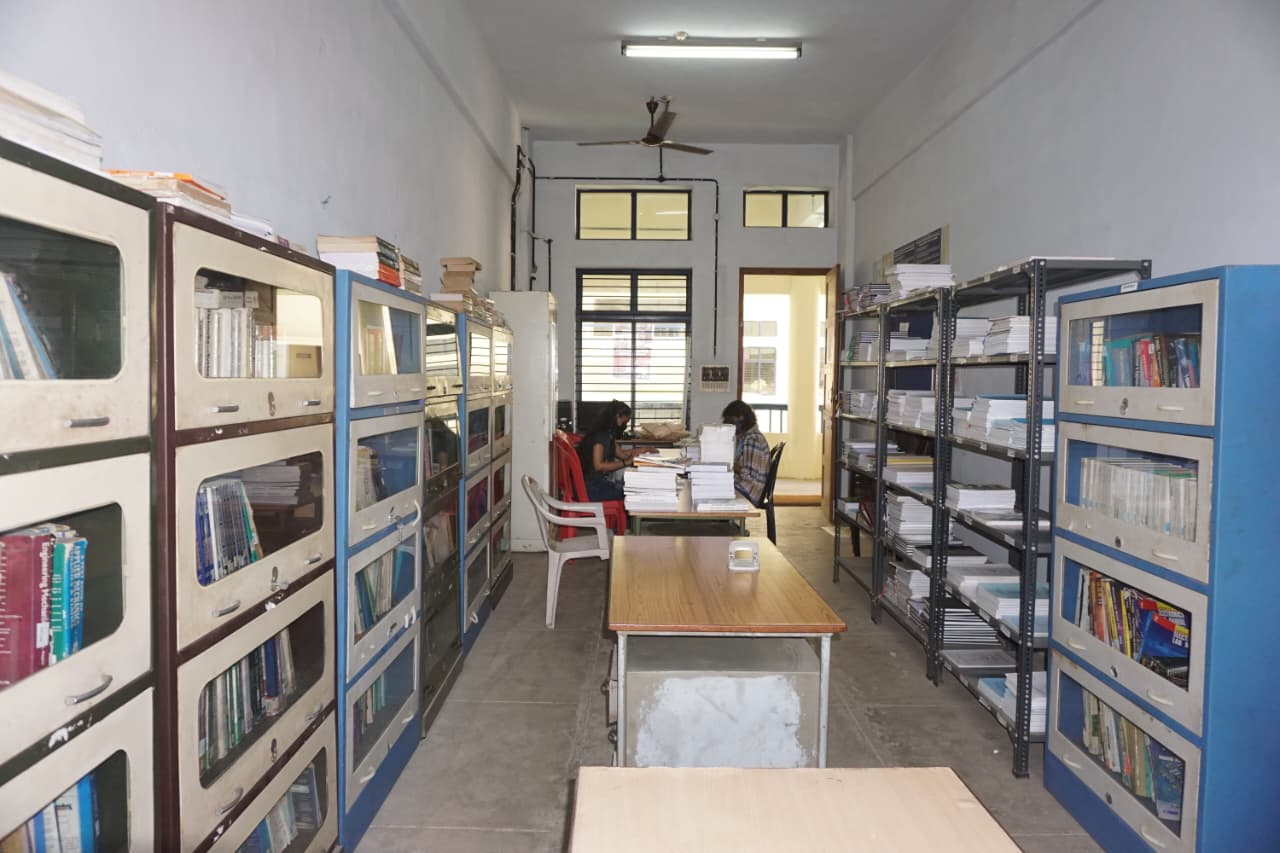
The Department Library provides a dedicated academic resource facility for students and staff. It has a useful collection of prescribed textbooks, reference books, project and seminar reports, and previous-year question papers. The resources are maintained to support teaching, learning, project work, seminar preparation, examination preparation, and academic reference.
Resources Available:
• Textbooks prescribed for the curriculum
• Reference books covering core and allied subjects
• Project reports and seminar reports
• Previous-year university and internal examination question papers
Availability:
The Department Library is available as needed during all regular working days of the institution.
Users:
Students and staff of the department can make use of the library resources for academic and reference purposes
Utilization:
Students and staff can refer to textbooks and reference books relevant to their curriculum. Students can also refer to previous-year question papers for examination preparation and use seminar and project reports as references for selecting topics, understanding methodologies, and developing project work.
Purpose:
The Department Library supports independent learning, enhances subject knowledge, encourages academic reference, and provides students with additional resources beyond classroom teaching.